Coronavirus disease 2019
  /  DATE: 23.07.26  /    /

COVID-19 is a contagious disease caused by the coronavirus SARS-CoV-2. In January 2020, the disease spread worldwide, resulting in the COVID-19 pandemic.

The symptoms of COVID‑19 can vary but often include fever,[7] fatigue, cough, breathing difficulties, loss of smell, and loss of taste.[8][9][10] Symptoms may begin one to fourteen days after exposure to the virus. At least a third of people who are infected do not develop noticeable symptoms.[11][12] Of those who develop symptoms noticeable enough to be classified as patients, most (81%) develop mild to moderate symptoms (up to mild pneumonia), while 14% develop severe symptoms (dyspnea, hypoxia, or more than 50% lung involvement on imaging), and 5% develop critical symptoms (respiratory failure, shock, or multiorgan dysfunction).[13] Older people have a higher risk of developing severe symptoms. Some complications result in death. Some people continue to experience a range of effects (long COVID) for months or years after infection, and damage to organs has been observed.[14] Multi-year studies on the long-term effects are ongoing.[15]

COVID‑19 transmission occurs when infectious particles are breathed in or come into contact with the eyes, nose, or mouth. The risk is highest when people are in close proximity, but small airborne particles containing the virus can remain suspended in the air and travel over longer distances, particularly indoors. Transmission can also occur when people touch their eyes, nose, or mouth after touching surfaces or objects that have been contaminated by the virus. People remain contagious for up to 20 days and can spread the virus even if they do not develop symptoms.[16]

Testing methods for COVID-19 to detect the virus’s nucleic acid include real-time reverse transcription polymerase chain reaction (RT‑PCR),[17][18] transcription-mediated amplification,[17][18][19] and reverse transcription loop-mediated isothermal amplification (RT‑LAMP)[17][18] from a nasopharyngeal swab.[20]

Several COVID-19 vaccines have been approved and distributed in various countries, many of which have initiated mass vaccination campaigns. Other preventive measures include physical or social distancing, quarantining, ventilation of indoor spaces, use of face masks or coverings in public, covering coughs and sneezes, hand washing, and keeping unwashed hands away from the face. While drugs have been developed to inhibit the virus, the primary treatment is still symptomatic, managing the disease through supportive care, isolation, and experimental measures.

Guía práctica para los métodos de pago seguros con explicaciones sencillas en plataformas modernas
  /  DATE: 21.07.26  /    /

En la actualidad, la seguridad en las transacciones online es fundamental para proteger nuestros datos bancarios y personales. Por ello, es importante conocer los métodos de pago seguros que existen en las plataformas modernas y cómo utilizarlos correctamente. En esta guía, vamos a explicar de forma sencilla los principales métodos de pago seguros y cómo puedes implementarlos en tus compras online.

Métodos de pago seguros:

1. Tarjeta de crédito/débito: Una de las formas más comunes de pago online es a través de tarjetas de crédito o débito. Para garantizar la seguridad de tus datos, asegúrate de que la página web en la que estás realizando la compra cuenta con un certificado de seguridad SSL. Además, utiliza tarjetas con sistemas de verificación de identidad como Verified by Visa o Mastercard SecureCode.

2. PayPal: PayPal es una plataforma de pago electrónica que te permite realizar transacciones online de forma segura. Para utilizar PayPal, simplemente vincula tu tarjeta de crédito o cuenta bancaria y realiza tus compras introduciendo tu dirección de correo electrónico y contraseña. PayPal también cuenta con un sistema de protección al comprador que te reembolsará el dinero en caso de fraude.

3. Transferencia bancaria: Aunque menos común, la transferencia bancaria sigue siendo una forma segura de pago. Antes de realizar una transferencia, verifica que los datos del destinatario son correctos y asegúrate de que la página web en la que estás introduciendo tus datos es segura. Es importante recordar que las transferencias bancarias pueden tardar varios días en procesarse.

4. Wallets digitales: Los wallets digitales como Apple Pay, Google Pay y Amazon Pay ofrecen una forma segura y conveniente de realizar pagos online. Estas plataformas almacenan tus datos de forma encriptada y te permiten pagar simplemente con tu smartphone o dispositivo móvil. Para garantizar la seguridad de tus pagos, configura la autenticación de dos factores en tu wallet digital.

Consejos para realizar pagos seguros:

– Utiliza contraseñas seguras y únicas para cada plataforma de pago. – No https://luckyladys-es.net/ compartas tus datos bancarios o contraseñas con terceros. – Verifica la autenticidad de la página web antes de introducir tus datos. – Mantén tus dispositivos y programas actualizados para evitar vulnerabilidades de seguridad. – Utiliza sistemas de verificación de identidad como SMS o autenticación de dos factores.

En resumen, los métodos de pago seguros son fundamentales para proteger tus datos y realizar compras online de forma segura. Al utilizar plataformas modernas y seguir las buenas prácticas de seguridad, puedes disfrutar de tus compras sin preocupaciones. ¡No olvides seguir estos consejos y disfrutar de una experiencia de compra segura y sin contratiempos!

Best Semaglutide Sources Generic Ozempic24796
  /  DATE: 21.07.26  /    /

Health insurance companies may cover Ozempic and Rybelsus if you have type 2 diabetes. Wegovy injections may be covered by insurance if you have obesity or have overweight and at least one weight-related health condition. Once you have a prescription, you can buy semaglutide medications online and at your local pharmacy. Stop using Tirzepatide and call your healthcare provider right away if you have severe pain in your stomach area (abdomen) that will not go away, with or without vomiting. Stop using Mounjaro and call your healthcare provider right away if you have severe pain in your stomach area (abdomen) that will not go away, with or without vomiting. Stop using Zepbound and call your healthcare provider right away if you have severe pain in your stomach area (abdomen) that will not go away, with or without vomiting.


The Founding of YouTube A Short History
  /  DATE: 18.07.26  /    /

YouTube is one of the most influential platforms in modern media, but its origin story is surprisingly simple: a small team wanted an easier way to share video online. In the early 2000s, uploading and sending video files was slow, formats were inconsistent, and most websites weren’t built for smooth playback. YouTube’s founders focused on removing those barriers—making video sharing as easy as sending a link.

Who Founded YouTube?

YouTube was founded by three former PayPal employees: Chad Hurley, Steve Chen, and Jawed Karim. They combined product thinking, engineering skills, and a clear user goal: create a website where anyone could upload a video and watch it instantly in a browser.

  • Chad Hurley — product/design focus and early CEO role
  • Steve Chen — engineering and infrastructure
  • Jawed Karim — engineering and early concept support

The Problem YouTube Solved

At the time, sharing video often meant emailing huge files or dealing with complicated players and downloads. YouTube made video:

  1. Uploadable by non-experts (simple interface)
  2. Streamable in the browser (no special setup)
  3. Sharable through links and embedding on other sites

Early Growth and the First Video

YouTube launched publicly in 2005. One of the most famous early moments was the first uploaded video, “Me at the zoo,” featuring co-founder Jawed Karim. The clip was short and casual—exactly the kind of everyday content that proved the platform’s big idea: ordinary people could publish video without needing a studio.

Key Milestones Timeline

Year/Date
Milestone
Why It Mattered
2005 YouTube is founded and launches Introduced easy browser-based video sharing
2005 “Me at the zoo” is uploaded Became a symbol of user-generated video culture
2006 Google acquires YouTube Provided resources to scale hosting and global reach

Why Google Bought YouTube

By 2006, YouTube’s traffic was exploding. Video hosting is expensive—bandwidth and storage costs rise fast when millions of people watch content daily. Google’s acquisition gave YouTube the infrastructure and advertising ecosystem to grow into a sustainable business.

What YouTube’s Founding Changed

YouTube didn’t just create a popular website; it reshaped how people learn, entertain themselves, and build careers online. Its founding helped accelerate:

  • Creator-driven media and influencer culture
  • How-to education and free tutorials at massive scale
  • Music discovery, commentary, and global community trends

From a small startup idea to a global video powerhouse, YouTube’s founding is a classic example of a simple product solving a real problem—and changing the internet in the process.

The Founding of YouTube A Short History
  /  DATE: 18.07.26  /    /

YouTube is one of the most influential platforms in modern media, but its origin story is surprisingly simple: a small team wanted an easier way to share video online. In the early 2000s, uploading and sending video files was slow, formats were inconsistent, and most websites weren’t built for smooth playback. YouTube’s founders focused on removing those barriers—making video sharing as easy as sending a link.

Who Founded YouTube?

YouTube was founded by three former PayPal employees: Chad Hurley, Steve Chen, and Jawed Karim. They combined product thinking, engineering skills, and a clear user goal: create a website where anyone could upload a video and watch it instantly in a browser.

  • Chad Hurley — product/design focus and early CEO role
  • Steve Chen — engineering and infrastructure
  • Jawed Karim — engineering and early concept support

The Problem YouTube Solved

At the time, sharing video often meant emailing huge files or dealing with complicated players and downloads. YouTube made video:

  1. Uploadable by non-experts (simple interface)
  2. Streamable in the browser (no special setup)
  3. Sharable through links and embedding on other sites

Early Growth and the First Video

YouTube launched publicly in 2005. One of the most famous early moments was the first uploaded video, “Me at the zoo,” featuring co-founder Jawed Karim. The clip was short and casual—exactly the kind of everyday content that proved the platform’s big idea: ordinary people could publish video without needing a studio.

Key Milestones Timeline

Year/Date
Milestone
Why It Mattered
2005 YouTube is founded and launches Introduced easy browser-based video sharing
2005 “Me at the zoo” is uploaded Became a symbol of user-generated video culture
2006 Google acquires YouTube Provided resources to scale hosting and global reach

Why Google Bought YouTube

By 2006, YouTube’s traffic was exploding. Video hosting is expensive—bandwidth and storage costs rise fast when millions of people watch content daily. Google’s acquisition gave YouTube the infrastructure and advertising ecosystem to grow into a sustainable business.

What YouTube’s Founding Changed

YouTube didn’t just create a popular website; it reshaped how people learn, entertain themselves, and build careers online. Its founding helped accelerate:

  • Creator-driven media and influencer culture
  • How-to education and free tutorials at massive scale
  • Music discovery, commentary, and global community trends

From a small startup idea to a global video powerhouse, YouTube’s founding is a classic example of a simple product solving a real problem—and changing the internet in the process.

How to Understand Casino Welcome Bonuses for Cautious New Players
  /  DATE: 16.07.26  /    /

Casino welcome bonuses are a popular marketing tool used by online casinos to attract new players. These bonuses can come in many different forms, including matched deposits, free spins, and no deposit bonuses. While these promotions can be a great way to boost your bankroll and experience more games, it is important for new players to understand the terms and conditions attached to these bonuses before claiming them. In this article, we will discuss how to navigate the world of casino welcome bonuses as a cautious new player, with a focus on long-term value.

1. Read the Terms and Conditions Carefully

One of the most important things to do before claiming any casino welcome bonus is to carefully read the terms and conditions attached to the promotion. This will give you a clear understanding of what is required to claim the bonus, as well as any restrictions that may be in place. Pay close attention to wagering requirements, game restrictions, and maximum withdrawal limits to ensure that the bonus is worth claiming.

2. Understand Wagering Requirements

Wagering requirements are a key factor to consider when evaluating the value of a casino welcome bonus. These requirements dictate how many times you must wager the bonus amount before you bearo-nz.com can withdraw any winnings. For example, if a bonus has a 35x wagering requirement and you claim a $100 bonus, you will need to wager $3,500 before you can cash out any winnings. Make sure to calculate whether the wagering requirements are achievable based on your playing style before claiming the bonus.

3. Check Game Restrictions

Some casino welcome bonuses may have restrictions on which games you can play to meet the wagering requirements. For example, some bonuses may only be valid on slots, while others may allow a wider range of games. Make sure to check which games are eligible for the bonus before claiming it, as playing restricted games could void the bonus and any winnings you have accumulated.

4. Consider the Maximum Withdrawal Limit

Many casino welcome bonuses come with a maximum withdrawal limit, which is the maximum amount of winnings you can cash out from the bonus. If you win more than the maximum withdrawal limit, the excess winnings will be forfeited. It is important to consider this limit when evaluating the value of a bonus, as winning more than the limit may not be worth the effort.

5. Look for Long-Term Value

When evaluating casino welcome bonuses, it is essential to look beyond the initial bonus amount and consider the long-term value of the promotion. Some bonuses may offer ongoing rewards or loyalty programs that can provide additional value over time. Consider how the bonus fits into your overall playing strategy and whether it aligns with your goals as a player before claiming it.

In conclusion, casino welcome bonuses can be a valuable tool for new players looking to boost their bankroll and experience more games. However, it is essential to approach these promotions with caution and a focus on long-term value. By reading the terms and conditions, understanding wagering requirements, checking game restrictions, considering the maximum withdrawal limit, and looking for long-term value, new players can make informed decisions about which bonuses to claim. Remember, not all bonuses are created equal, so take the time to evaluate each promotion carefully before diving in.

The Founding of YouTube A Short History
  /  DATE: 26.05.26  /    /

YouTube is one of the most influential platforms in modern media, but its origin story is surprisingly simple: a small team wanted an easier way to share video online. In the early 2000s, uploading and sending video files was slow, formats were inconsistent, and most websites weren’t built for smooth playback. YouTube’s founders focused on removing those barriers—making video sharing as easy as sending a link.

Who Founded YouTube?

YouTube was founded by three former PayPal employees: Chad Hurley, Steve Chen, and Jawed Karim. They combined product thinking, engineering skills, and a clear user goal: create a website where anyone could upload a video and watch it instantly in a browser.

  • Chad Hurley — product/design focus and early CEO role
  • Steve Chen — engineering and infrastructure
  • Jawed Karim — engineering and early concept support

The Problem YouTube Solved

At the time, sharing video often meant emailing huge files or dealing with complicated players and downloads. YouTube made video:

  1. Uploadable by non-experts (simple interface)
  2. Streamable in the browser (no special setup)
  3. Sharable through links and embedding on other sites

Early Growth and the First Video

YouTube launched publicly in 2005. One of the most famous early moments was the first uploaded video, “Me at the zoo,” featuring co-founder Jawed Karim. The clip was short and casual—exactly the kind of everyday content that proved the platform’s big idea: ordinary people could publish video without needing a studio.

Key Milestones Timeline

Year/Date
Milestone
Why It Mattered
2005 YouTube is founded and launches Introduced easy browser-based video sharing
2005 “Me at the zoo” is uploaded Became a symbol of user-generated video culture
2006 Google acquires YouTube Provided resources to scale hosting and global reach

Why Google Bought YouTube

By 2006, YouTube’s traffic was exploding. Video hosting is expensive—bandwidth and storage costs rise fast when millions of people watch content daily. Google’s acquisition gave YouTube the infrastructure and advertising ecosystem to grow into a sustainable business.

What YouTube’s Founding Changed

YouTube didn’t just create a popular website; it reshaped how people learn, entertain themselves, and build careers online. Its founding helped accelerate:

  • Creator-driven media and influencer culture
  • How-to education and free tutorials at massive scale
  • Music discovery, commentary, and global community trends

From a small startup idea to a global video powerhouse, YouTube’s founding is a classic example of a simple product solving a real problem—and changing the internet in the process.

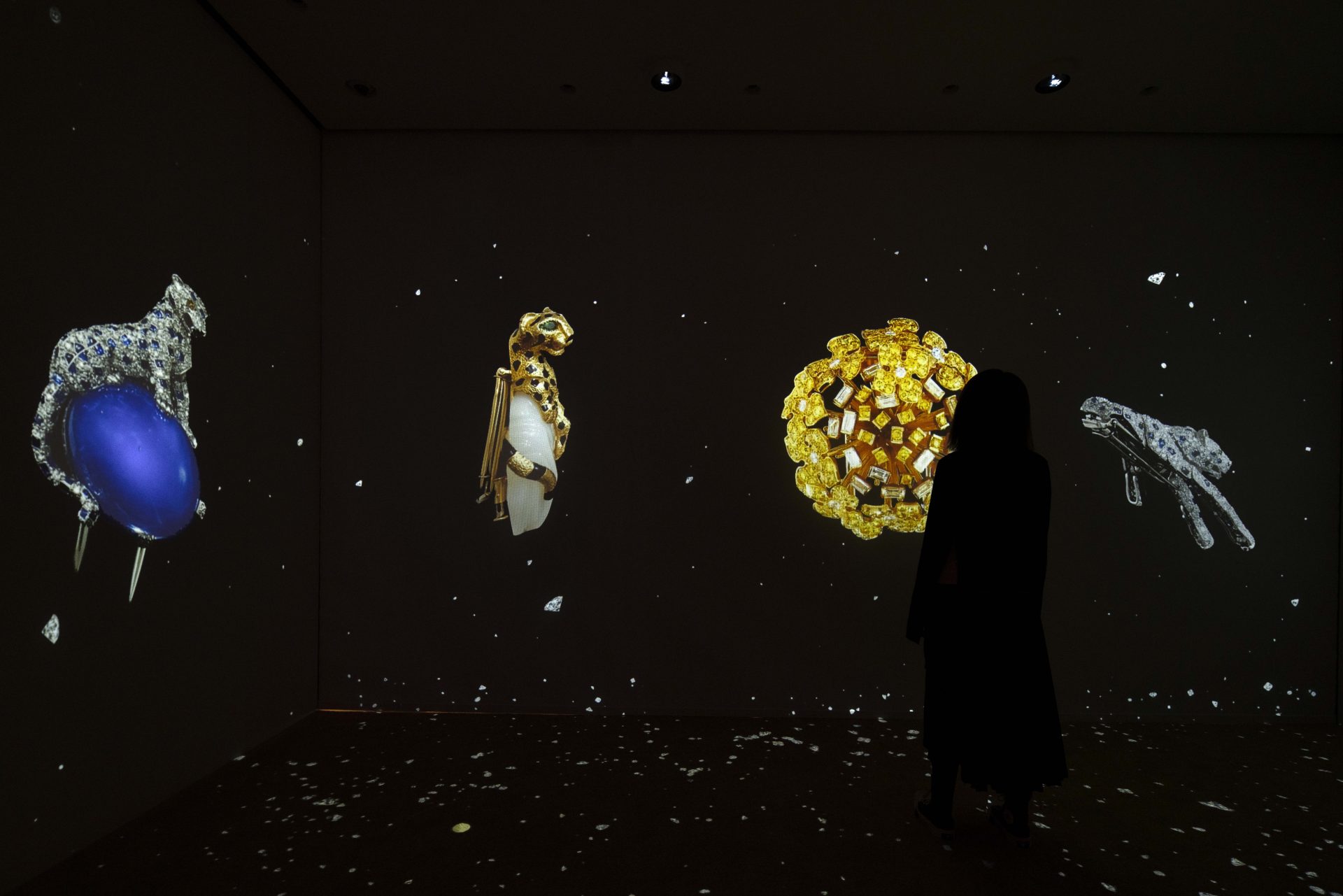
Cartier Studio Treize
CLIENT: Cartier   /  DATE: 08.04.22  /  SPACE EXPERIENCE  /
客戶: 卡地亚  空间体验
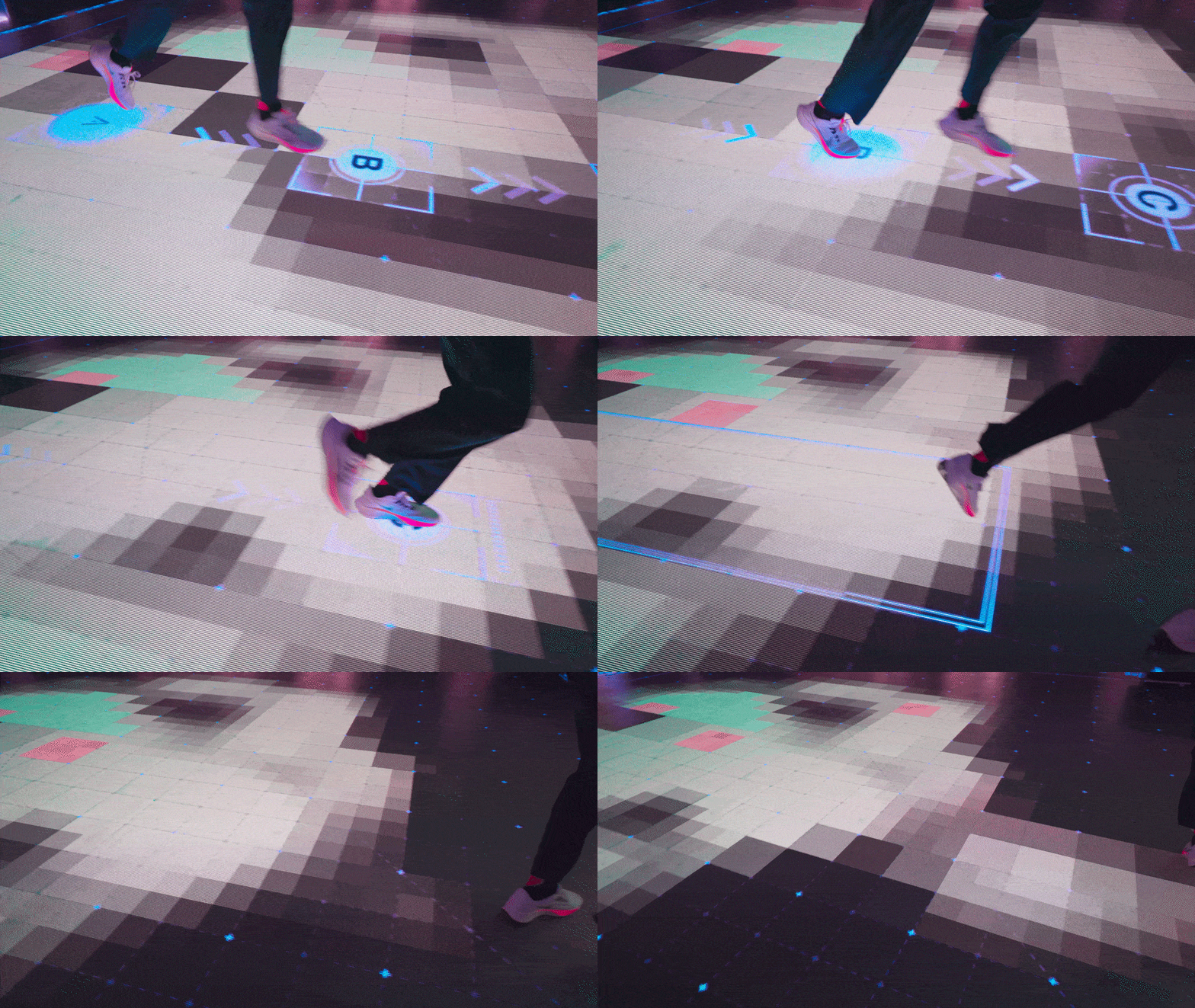
COLOR YOUR MOVE
CLIENT: NIKE  /  DATE: 20.09.21  /  INTERACTIVE EXPERIENCE  /
客戶: 耐克  互动体验
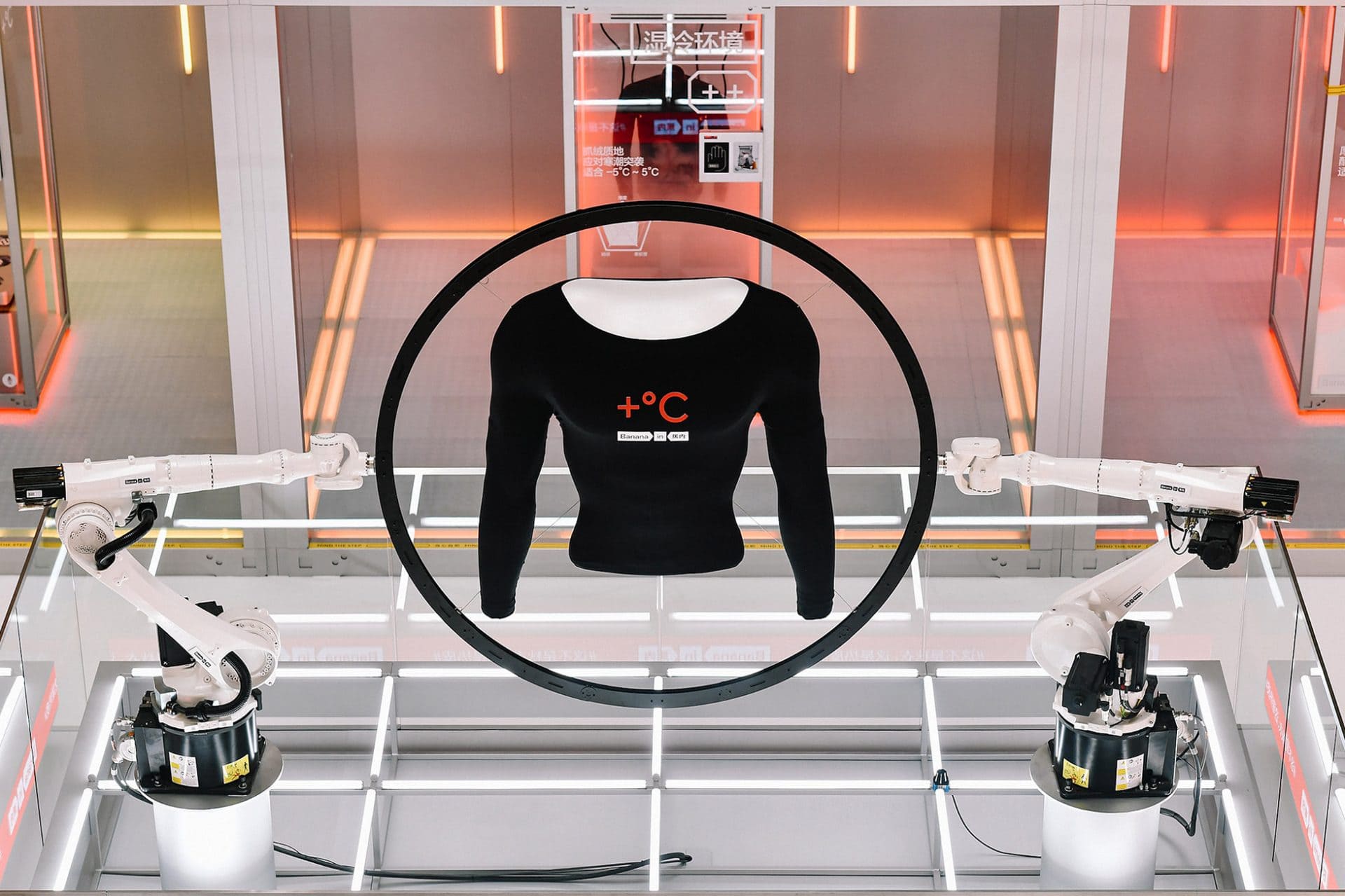
BANANAIN POP-UP SPACE
CLIENT: BANANAIN  /  DATE: 27.10.20  /  POP-UP INSTALLATION  /
客戶: 蕉内  快闪装置